




 USD
USDMastercard Unites More Than 85 Crypto Firms Including Binance, PayPal and Circle in Blockchain Payments Network Spanning Over 200 Countries

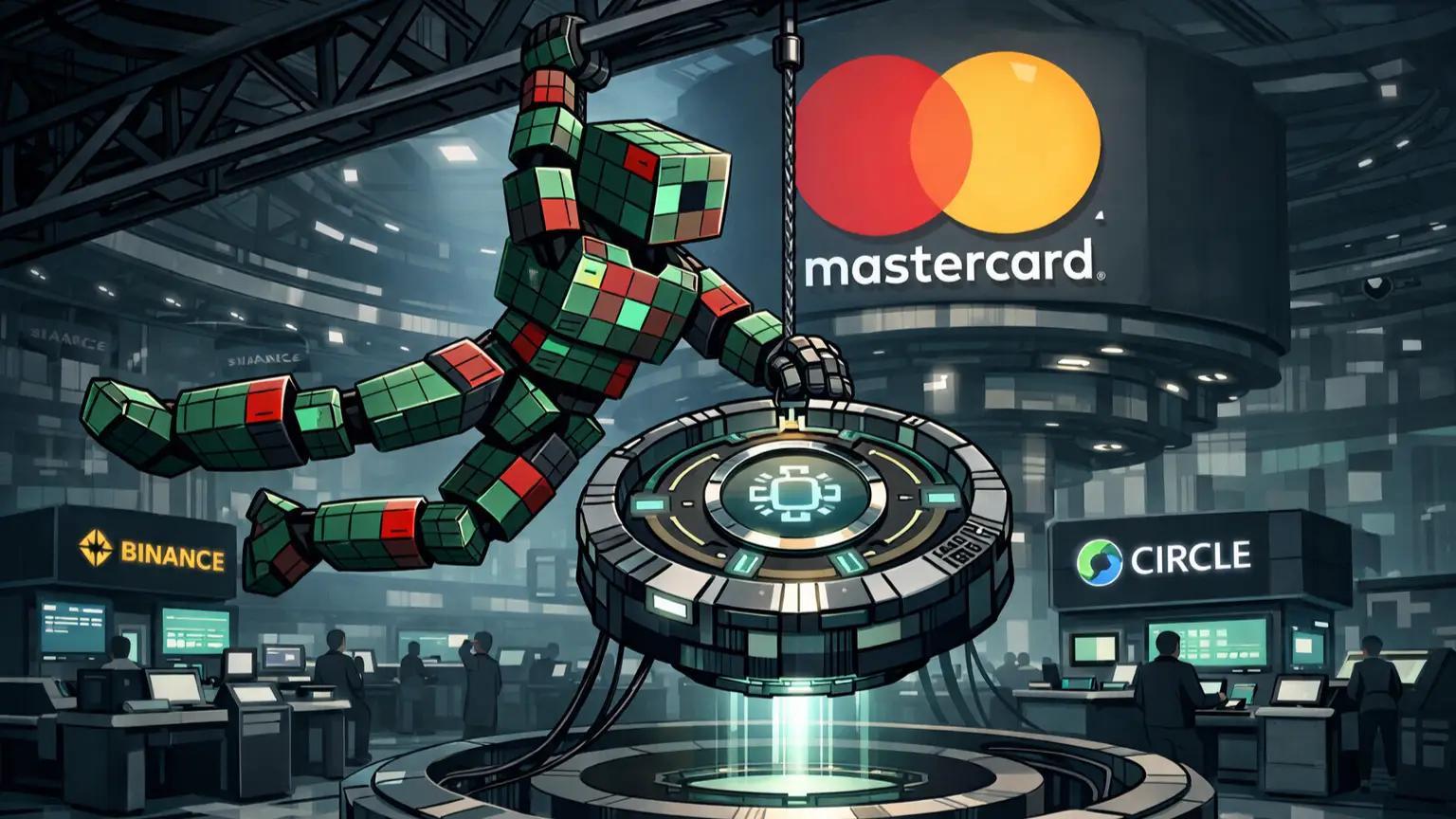
Global card network rolls out blockchain infrastructure with stablecoin settlement, crypto credentials and wallet spending tools
TL;DR
- Mastercard launched a crypto partner initiative, connecting more than 85 companies including Binance, PayPal and Circle into a blockchain payment network.
- The system integrates crypto infrastructure with Mastercard’s payment rails used across more than 200 countries and territories.
- Core components include the Multi-Token Network, Crypto Credential identity tools, and direct wallet spending features.
We’ve launched the all-new COIN360 Perp DEX, built for traders who move fast!
Trade 130+ assets with up to 100× leverage, enjoy instant order placement and low-slippage swaps, and earn USDC passive yield while climbing the leaderboard. Your trades deserve more than speed — they deserve mastery.
Mastercard announced the Crypto Partner Program, a global initiative connecting blockchain companies with its payment infrastructure on March 11, 2026, unveiling a crypto partner program designed to integrate digital asset payment capabilities into its existing card network. The initiative brings together more than 85 companies spanning cryptocurrency exchanges, fintech developers, blockchain infrastructure providers and financial institutions. Participants include major industry players such as Binance, PayPal, Circle, Ripple, Gemini and Paxos. The program introduces a unified integration framework that allows crypto companies to connect blockchain services directly with Mastercard’s payment ecosystem through shared technical standards and compliance protocols.
Mastercard’s payment network already connects banks, merchants and consumers across more than 200 countries and territories through its global card infrastructure. The new crypto program allows blockchain payment services to operate within this network by linking digital asset settlement systems with traditional financial rails used for everyday commerce. Rather than replacing existing financial infrastructure, the program focuses on connecting blockchain technology with conventional payment systems used by banks and payment providers worldwide. Participating companies can integrate digital asset services such as stablecoin settlement and blockchain-based transfers into Mastercard’s established payments environment.
The system operates through several infrastructure layers designed to enable blockchain payments inside Mastercard’s network. One core component is the Multi-Token Network, which functions as the settlement layer for blockchain transactions processed within the program. The network allows payments using stablecoins, tokenized bank deposits and other blockchain-based assets to settle through Mastercard’s infrastructure alongside traditional fiat transactions. The platform processes tokenized assets within the same environment used for card payments and merchant transactions handled by Mastercard’s global network.
Another component of the system is Crypto Credential, an identity layer designed to simplify blockchain transactions by replacing complex wallet addresses with human-readable identifiers. The credential format allows users to send digital assets using simplified aliases rather than long cryptographic strings. Compliance verification is built directly into the system to ensure that transactions meet regulatory requirements before processing. The identity structure performs validation checks for participating entities within the network prior to completing blockchain-based payment transfers.
Mastercard’s infrastructure also includes wallet-spending integrations that allow cryptocurrency users to pay merchants directly from blockchain wallets. The program has demonstrated compatibility with self-custody wallets such as MetaMask, enabling users to spend digital assets at payment terminals connected to Mastercard’s system. The architecture allows digital assets stored in self-managed wallets to interact directly with real-world payment networks without transferring funds to traditional debit cards beforehand.
Cross-border payments represent one of the primary use cases targeted by the blockchain infrastructure program. International transfers in traditional banking systems often rely on the SWIFT messaging network and intermediary financial institutions, which can introduce delays and multiple processing fees. Blockchain settlement using stablecoins or tokenized assets allows transactions to move directly between parties on-chain without intermediary banks involved in the transfer process.
Corporate payments are another area where the network may support blockchain-based settlement. Business-to-business payments conducted through traditional banking systems typically rely on international wire transfers processed through several institutions before final settlement. Blockchain-based payment systems allow companies to settle international invoices using digital assets recorded on distributed ledgers rather than traditional banking infrastructure.
Additional payment functions supported by the system include global payouts and programmable payment execution through blockchain-based transaction mechanisms. Programmable payments allow funds to be released automatically when predefined conditions are met through smart contract logic built into blockchain infrastructure used by participating companies within the network.
Binance is among the crypto infrastructure providers participating in the program. The exchange’s involvement reflects its expansion beyond digital asset trading into payment services and financial infrastructure development. Integration into Mastercard’s network allows blockchain platforms such as Binance to connect directly with global payment rails used by merchants and banks in traditional finance.
PayPal also participates in the program as a large consumer payments platform with a global user base. PayPal has previously expanded its digital asset payment capabilities, allowing merchants to accept more than 100 cryptocurrencies including Bitcoin, Ethereum and USD Coin. The company’s system integrates with several cryptocurrency wallets and trading platforms, including Coinbase, Kraken, Binance, MetaMask, Phantom, OKX and Exodus.
PayPal’s crypto payment infrastructure enables blockchain transactions to settle rapidly compared with traditional international payments. Some payment flows are capable of near-instant settlement while reducing cross-border transaction costs by up to 90% compared with conventional international payment systems. The payments platform serves more than 650 million users globally through its consumer and merchant network.
Circle participates in the network primarily through its stablecoin infrastructure. The company issues USD Coin, a dollar-pegged stablecoin designed for digital payments and blockchain settlement. Circle also provides additional tokenized financial products including the euro-denominated stablecoin EURC and USYC, a tokenized money market fund.
USD Coin had grown to a market capitalization of roughly $60 billion by May 2025, making it one of the largest stablecoins in circulation. Circle reported revenue and reserve income totaling approximately $1.68 billion during 2024 while generating net income of $156 million from its stablecoin operations and related financial services.
Industry observers described the participation of major crypto companies in Mastercard’s program as evidence of growing collaboration between traditional financial institutions and blockchain infrastructure providers. One market commentator wrote that Mastercard and other financial institutions are “no longer standing aside but are actively building the infrastructure layer for crypto payments.”
Another analyst said the involvement of major digital asset companies demonstrated increasing institutional engagement in blockchain payment systems, writing: “Mastercard’s new blockchain initiative has already attracted major partners. The inclusion of Binance, PayPal and Ripple signals that traditional finance is finally taking crypto payment infrastructure seriously.”
This article has been refined and enhanced by ChatGPT.


