




 USD
USDEuropean Bank Consortium Plans H2 2026 Euro Stablecoin Launch, Targets Exchange Liquidity and MiCA Compliance

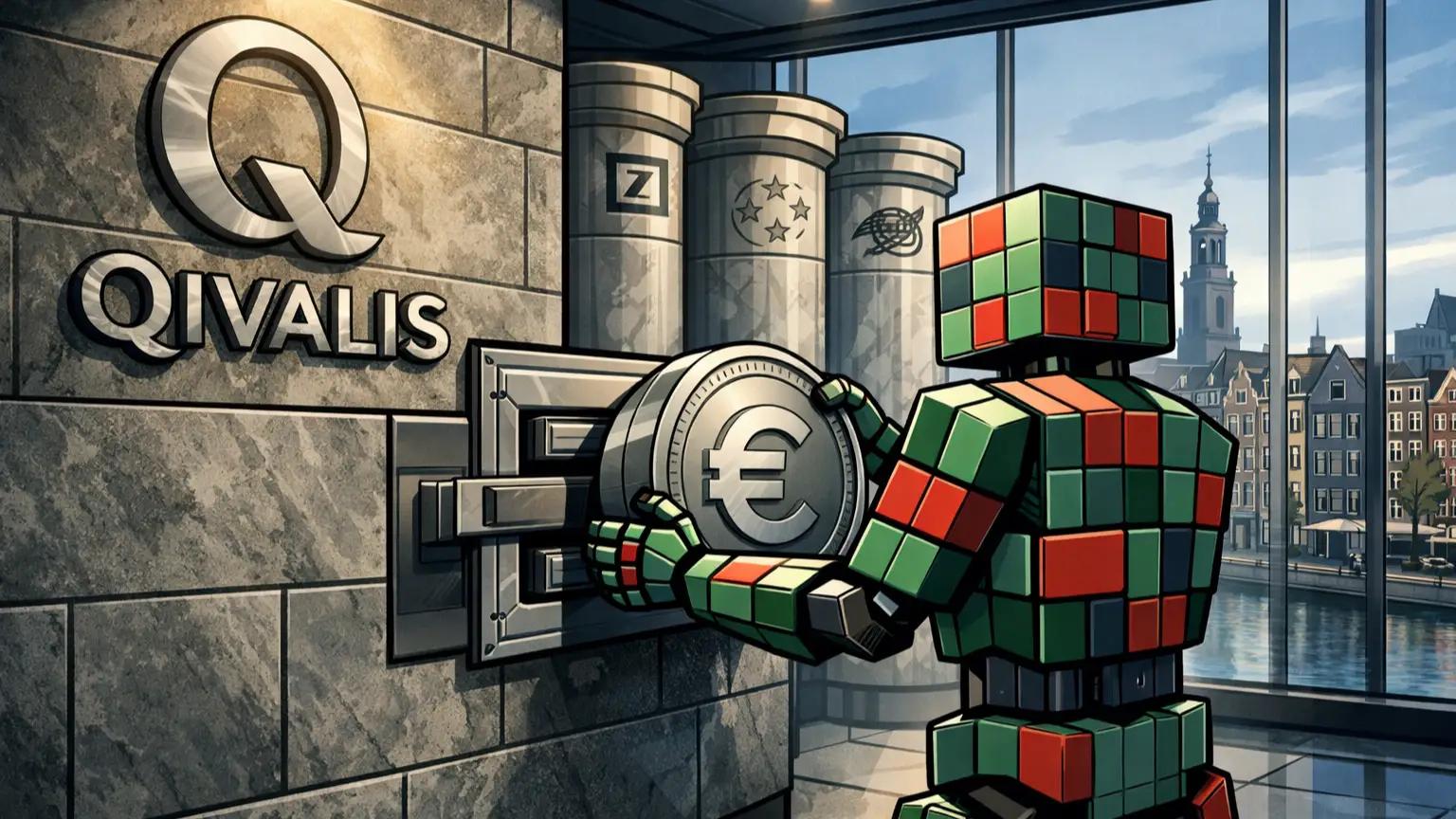
Twelve Major EU Banks Form Qivalis Venture, Structure 1:1 Euro Reserves With 40% Deposits and Sovereign Bond Backing
TL;DR
- Twelve European banks formed Qivalis to launch a 1:1 euro-pegged stablecoin in the second half of 2026 under MiCA rules.
- Reserves will hold 40% in bank deposits and the remaining approximately 60% in short-term euro-area sovereign bonds.
- The consortium is in advanced talks with crypto exchanges and liquidity providers to secure listings and distribution.
We’ve launched the all-new COIN360 Perp DEX, built for traders who move fast!
Trade 130+ assets with up to 100× leverage, enjoy instant order placement and low-slippage swaps, and earn USDC passive yield while climbing the leaderboard. Your trades deserve more than speed — they deserve mastery.
European banking heavyweights are moving to introduce a regulated euro-pegged stablecoin through a joint venture known as Qivalis, with a commercial launch targeted for the second half of 2026. Reporting published on March 2, 2026 detailed that the initiative brings together 12 major institutions to issue a token fully backed 1:1 by the euro under the European Union’s Markets in Crypto-Assets Regulation framework.
Qivalis is headquartered in Amsterdam and is seeking authorization as an Electronic Money Institution supervised by the Dutch Central Bank. The consortium’s structure includes ING, UniCredit, BNP Paribas, CaixaBank, Banca Sella, Danske Bank, DekaBank, DZ BANK, KBC, Raiffeisen Bank International, SEB and BBVA, according to the report published on March 2, 2026.
BBVA joined the consortium in early February 2026, abandoning its previous standalone euro stablecoin plan in favor of the multi-bank structure. The move brought the total number of participating banks to 12 as the group aligned around a single issuance and distribution framework under Qivalis.
The planned stablecoin will maintain a 1:1 peg to the euro and be fully backed by high-quality reserve assets. At least 40% of reserves will be held in bank deposits, while the remaining approximately 60% will be allocated to diversified short-term euro-area sovereign bonds. The reserve composition is designed to allow continuous redemption access for holders.
Chief Executive Jan-Oliver Sell has described the project as offering a domestic European alternative to dollar-dominated stablecoins. “European domestic alternative,” Sell said in remarks reported March 2, 2026. He also cited use cases including real-time cross-border corporate payments and global commerce support.
The consortium is in advanced discussions with major crypto exchanges, market makers and liquidity providers to secure listings and distribution agreements prior to launch. The objective is to ensure broad availability and initial liquidity from the first day of issuance in the second half of 2026.
Spanish exchange Bit2Me confirmed at least one conversation with a consortium bank regarding potential distribution arrangements. Other platforms referenced in the reporting declined to comment publicly on discussions tied to the stablecoin project.
Governance structures for Qivalis include Jan-Oliver Sell as Chief Executive Officer and Sir Howard Davies as Chairman of the Supervisory Board. Sell previously served as managing director of Coinbase Germany. Davies has held senior roles in British banking and regulation.
The project is being positioned within a market landscape where roughly 99% of official stablecoins are currently tied to the U.S. dollar, according to figures cited in the reporting. Qivalis’ stated mission includes bridging traditional finance institutions with digital asset infrastructure under European regulatory oversight.
Preparatory steps ahead of the targeted second half of 2026 rollout include ongoing regulatory engagement, operational build-out, and technical integration with blockchain networks and exchange platforms. Member banks are also expected to serve as distribution channels to corporate and institutional clients once issuance begins in 2026.
This article has been refined and enhanced by ChatGPT.


